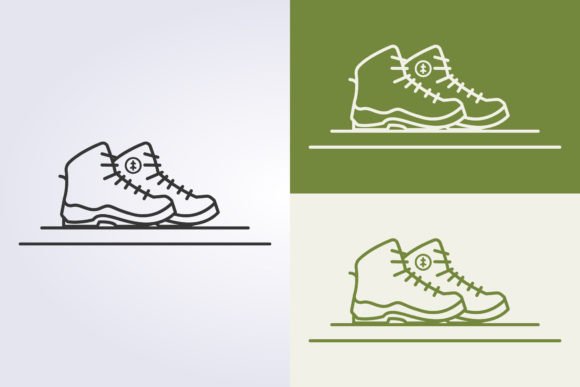
Line Hiking Boots Icon Vector for Modern Design
A simple outline of a hiking boot carries more weight than you might expect. The line hiking boots icon vector strips away unnecessary detail and leaves you with a symbol that speaks directly to adventure, resilience, and the outdoors. Whether you are building a summer camp brand identity, designing merchandise for a trekking event, or crafting digital assets for a travel blog, this clean linear icon offers a versatile foundation that works across multiple contexts without losing its core message.
What makes the line hiking boots icon vector particularly effective is its ability to communicate a complex activity through a single, recognizable silhouette. The boot represents more than footwear—it suggests preparation, movement, and a connection to nature. For designers and marketers, this means you can use it to anchor a visual system that feels both grounded and aspirational. The monoline style keeps the icon modern and scalable, whether it appears on a website header, a printed brochure, or a small sticker for a camping gear giveaway.
In this article, we explore creative possibilities, practical applications, and actionable recommendations for anyone looking to work with this icon. From summer camp themes to mountaineering logos, you will find ideas that respect your audience’s expectations while leaving room for originality.
Why the Line Hiking Boots Icon Vector Works So Well
The appeal of a linear icon lies in its simplicity. A single continuous stroke defines the shape of the boot, leaving the viewer to fill in the details with their own imagination. This visual economy is especially useful when you need to maintain consistency across a range of materials—social media graphics, email templates, event signage, or even embroidered patches for camp staff uniforms.
The line hiking boots icon vector also performs well in monochrome and color applications. You can keep it black on a white background for a minimalist look, or introduce accent colors—like a deep forest green or a warm orange—to evoke specific moods. Because the icon is based on outline rather than filled shapes, it adapts easily to different brand palettes without requiring redrawing.
For designers, this means less time adjusting assets and more time focusing on composition and messaging. For marketers, it means a consistent visual language that reinforces brand recognition across touchpoints. And for the end user—whether they are browsing a summer camp website or selecting merchandise—the icon feels familiar without being generic.
Creative Directions for Summer Camp and Outdoor Themes
Summer camp branding often walks a fine line between nostalgic and modern. The line hiking boots icon vector fits naturally into this space. You can pair it with other linear symbols—a tent silhouette, a campfire outline, a pine tree—to build a cohesive icon set that tells a story about outdoor experiences.
- Camp merchandise: T-shirts, hats, and water bottles featuring the boot icon as a standalone graphic work well for camp stores or welcome kits. The monoline style prints cleanly on fabric and looks contemporary without feeling overly commercial.
- Digital camp guides: Use the icon as a recurring visual marker for hiking-related sections in a camp handbook or activity schedule. This helps readers navigate information quickly while reinforcing the outdoor theme.
- Social media templates: A consistent icon set makes it easy to create Instagram stories or Facebook posts that promote upcoming trips or highlight daily camp activities. The linear style stays legible even at small sizes on mobile screens.
- Badge and sticker design: The boot icon works beautifully as a badge for completing hiking challenges. Combined with text like “Trail Blazer” or “Peak Seeker,” it becomes a tangible reward that campers can collect.
When designing for a younger audience, consider adding playful elements—a small compass next to the boot, or a trail line extending from the sole. These small additions keep the icon fresh while maintaining the core silhouette.
Mountaineering and Adventure Branding Applications
For brands focused on mountaineering or serious outdoor equipment, the line hiking boots icon vector communicates durability and purpose. The boot shape itself implies rugged terrain and long distances, making it a natural fit for logos, product labels, and packaging.
One approach is to use the icon as a primary logo mark for a small outdoor gear company. Because the line drawing is minimal, it pairs well with both serif and sans-serif typography. A narrow, clean font keeps the overall look professional, while a bolder typeface can make the brand feel more approachable.
Another application is in wayfinding or instructional materials. For example, a mountaineering boot icon placed on trail maps or safety guides helps users quickly identify content related to footwear, gear preparation, or foot care on long hikes. The linear style ensures that even when printed in black and white or on low-quality paper, the icon remains readable.
If you are designing for a travel blog or a recreation-focused website, consider using the boot icon as a recurring motif in blog post headers or sidebar widgets. It creates a visual rhythm that ties different pieces of content together without feeling repetitive. You can vary the icon’s size, rotation, or placement to keep layouts dynamic while maintaining consistency.
Adapting the Icon for Different Formats and Audiences
The flexibility of the line hiking boots icon vector means it can be adapted for formats ranging from tiny app icons to large-format banners. Here are some practical guidelines:
- For mobile app icons: Keep the stroke weight thick enough to remain visible at 48x48 pixels. A 2px stroke typically works well, but test on different screen densities to ensure clarity.
- For print collateral: If you are using the icon on business cards or flyers, consider a slightly thinner stroke (1.5px) for a more refined look. The icon will appear crisp when printed at 300 dpi.
- For embroidery: Simplify the shape further by removing any internal lines or small details. Embroidery machines work best with solid outlines and minimal fill.
- For video or motion graphics: Animate the boot by drawing the line on screen or adding a subtle walk cycle. This works especially well for intros or transitions in outdoor adventure videos.
Each format requires minor adjustments, but the core silhouette remains the same. This consistency saves time and ensures your brand stays recognizable across platforms.
Practical Recommendations for Designers and Creators
If you are planning to use the line hiking boots icon vector in your own projects, start by sourcing or creating a clean vector file in SVG or EPS format. This gives you full control over stroke weight, color, and scalability. From there, consider the following steps:
- Define your color palette early. Even though the icon is linear, the colors you choose for surrounding elements will affect its perceived tone. Earth tones like taupe, olive, and rust reinforce an outdoor feel, while brighter colors like coral or sky blue can make the icon feel more playful.
- Test legibility at various sizes. An icon that looks great at 200px may lose detail at 24px. Scale down your design and check whether the boot shape remains recognizable. If needed, increase stroke weight or simplify internal details.
- Pair with complementary icons. A boot icon alone can feel isolated. Build a small icon family that includes a tent, a campfire, a compass, or a mountain peak. This creates visual variety while maintaining a consistent linear style.
- Use negative space intentionally. The area inside the boot outline is just as important as the line itself. Consider adding a small inset shape—like a trail marker or a star—to give the icon a unique twist without breaking the monoline aesthetic.
- Respect the audience context. A boot icon for a military surplus store should look sturdy and functional. The same icon for a summer camp might need a softer, more rounded appearance. Adjust the shape and stroke accordingly.
These recommendations are meant to guide rather than constrain. The best designs often come from experimenting with constraints and finding unexpected solutions.
Keeping Your Design Organized and Audience-Friendly
When working with multiple icons or a full visual system, consistency becomes critical. The line hiking boots icon vector should share the same stroke weight, corner rounding, and visual density as other icons in your set. This creates a unified look that feels intentional rather than haphazard.
For marketing materials, use the icon sparingly to maintain impact. A single boot icon on a brochure cover draws more attention than a cluster of icons competing for space. In digital interfaces, consider using the icon as a visual cue for a specific action—like a “plan your hike” button or a “gear list” section—so that users associate it with a clear function.
If you are designing for a small business or a community organization, involve your audience by testing the icon with a focus group or a simple survey. Ask whether the icon feels inviting, professional, or adventurous. This feedback can help you fine-tune the design before committing to a full production run.
Realistic Examples Across Different Use Cases
Imagine a summer camp coordinator who needs to create a series of activity badges. The line hiking boots icon vector becomes the centerpiece for a “Trail Explorer” badge, paired with a simple mountain outline and the camp’s logo. Printed on fabric, the badge feels modern and collectible, encouraging campers to participate in hiking challenges throughout the season.
Consider a freelance designer building a visual identity for a new outdoor gear brand. The boot icon appears on the website’s hero section, on product tags, and on the brand’s social media profile picture. The consistency helps the brand look established even in its early stages, and the linear style sets it apart from competitors who rely on full-color photography or heavy textures.
Think about a travel blogger who wants a simple, recognizable symbol for their hiking guides. A boot icon placed at the top of each guide page creates a visual bookmark that readers learn to associate with trail content. Over time, the icon becomes a signature element of the blog’s identity, helping it stand out in a crowded space.
Each of these examples starts with the same basic silhouette, but the context and application make the final result feel unique. That is the strength of the line hiking boots icon vector: it offers a reliable visual anchor while leaving room for personal interpretation.
Final Thoughts on Using the Line Hiking Boots Icon Vector
Working with a simple icon does not mean settling for a generic result. The line hiking boots icon vector provides a clear, effective way to communicate outdoor themes across a wide range of projects—from summer camp branding to mountaineering logos and everything in between. Its monoline structure keeps it modern, while its recognizable shape grounds it in real-world experience.
Whether you are a designer building a full visual system, a marketer looking for a consistent brand element, or a hobbyist creating custom stickers for a personal project, this icon offers a solid starting point. By experimenting with color, scale, and pairing, you can make it your own without losing the clarity that makes it work.
The next time you need a visual shorthand for adventure, travel, or outdoor recreation, consider starting with a boot. A single line, drawn with intention, can say more than a full illustration ever could.